I Asked Claude to Pick My Dependencies, and Now I'm Questioning Everything
Admin User
Author
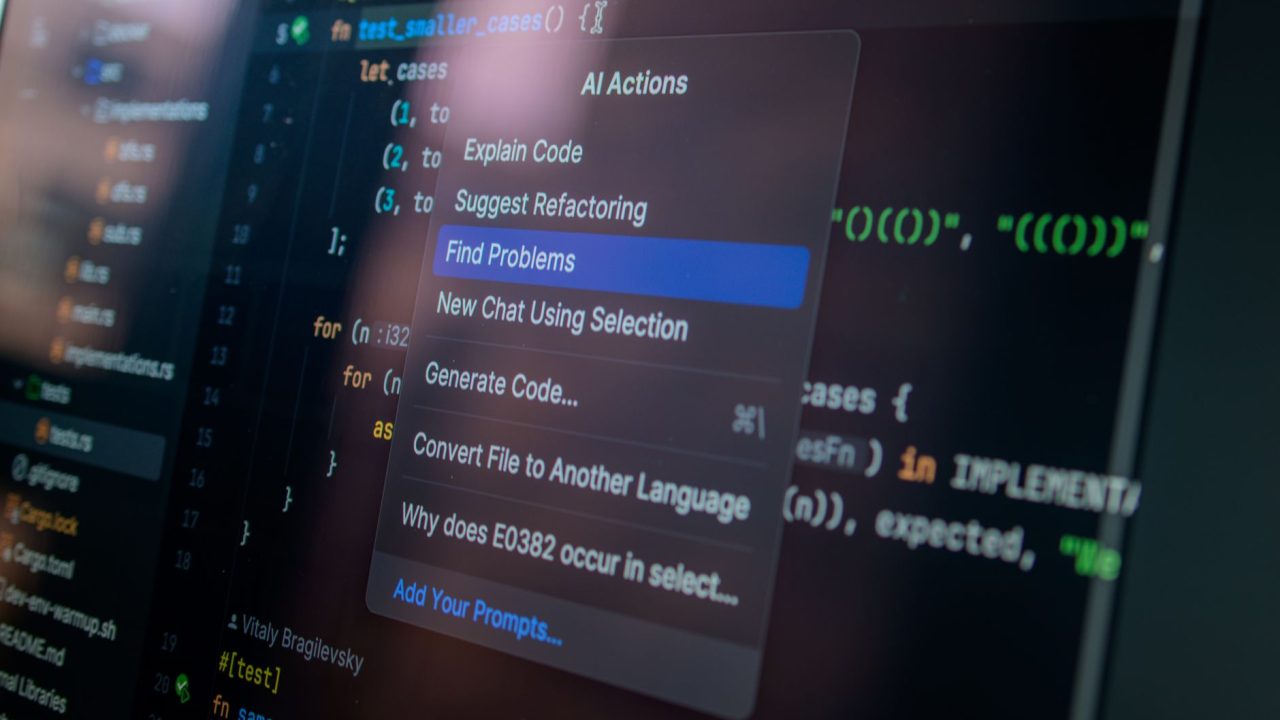
Last month, I was building a new feature flag system for one of our client projects. Instead of doing what I used to do—spending an afternoon researching options, reading Github issues, checking licensing—I did what felt natural in 2025: I asked Claude for a recommendation. Within seconds, I had a structured implementation plan using LaunchDarkly. It looked solid. I started coding.
Three weeks later, a teammate asked why we didn't consider Split.io. Turns out, when he asked the exact same question to the same Claude version, Split.io showed up second in the recommendations. I got LaunchDarkly, he got a different ranking. Neither of us had actually chosen anything. We'd just accepted what a model confidently suggested while we were in flow state.
That's when I realized I'd stumbled into exactly the kind of decision-making gap that makes production systems fragile.
The Invisible Dependency Decisions We're Making
Here's what's happening, and it's more subtle than it seems. AI agents aren't just helping us write code anymore—they're becoming our technical decision-makers. When you ask for "the best feature flagging solution," you're not getting a researched comparison. You're getting one model's training bias filtered through whatever prompt you happened to write that day.
The problem isn't that these recommendations are bad. LaunchDarkly is legitimately solid. The problem is that we're outsourcing architectural choices while barely noticing it. A few years ago, adding a major dependency meant emails, discussions, maybe an RFC. Someone would ask hard questions. Someone would research alternatives. Now? We skim a Markdown doc from an AI and hit enter.
I've started tracking what different models recommend for common infrastructure decisions. The variance is alarming. Ask ChatGPT, Claude, and Gemini for "an AWS alternative for developers," and you get genuinely different answers. ChatGPT consistently suggests Azure. Gemini almost never does. These aren't random fluctuations—they're systematic biases baked into training data and alignment.
Why This Matters for Your Actual Projects
When you're running production systems, dependency choices compound. Not just in terms of cost and vendor lock-in, but in terms of team knowledge, maintenance burden, and integration surface area. A bad choice in month two becomes technical debt in month twelve.
The dangerous part? We've convinced ourselves that because we can review the code an agent writes, we can trust its architectural decisions. That's backwards. Code review is tactical. Dependency selection is strategic. They require different kinds of scrutiny.
I'm not saying never use agents for recommendations. I'm saying: treat them like a starting point, not a destination. When an agent suggests a tool, it should trigger more research, not less. Ask it for three alternatives. Ask it why each one matters. Compare them yourself. Make the decision visible to your team.
What I'm Actually Doing Now
These days, when Claude or ChatGPT suggests a dependency, I ask follow-up questions designed to expose the reasoning:
"You recommended LaunchDarkly. What are the
three strongest alternatives, and what
trade-offs would we make with each one?"
Then I actually research the top three. I read recent Github discussions, check maintenance activity, look at real usage in projects similar to mine. It takes longer than asking an agent and moving on. But it's faster than dealing with a bad dependency decision six months from now.
For critical infrastructure choices, I run the same prompt against multiple models and compare recommendations. Disagreement is data. If Claude and Gemini agree and ChatGPT diverges, that tells me something. It might mean ChatGPT's training included different sources. Or it might mean one model is outdated.
The Conversation We're Not Having
What concerns me most is how quietly this is happening. Most teams I talk to don't have explicit policies about agent-driven dependency decisions. We're drifting into a pattern where engineers rubber-stamp AI recommendations with the same confidence they'd give to a senior engineer's suggestion. Except the AI doesn't have skin in the game. It won't be debugging it at 2 AM.
The Claudeian confidence is real. These models sound authoritative. And that's exactly why we need to be more skeptical, not less.
I'm not against using AI for technical decisions. But I'm against using it as a substitute for thinking. There's a difference between "agent helps me research" and "agent decides for me while I'm heads-down coding."
What's your current process for major dependency decisions? Are you researching alternatives, or are you mostly following agent recommendations? I'm genuinely curious how many teams have noticed this shift and actually pushed back.
Source: This post was inspired by "Coding Agents Play Favorites With Your Dependencies" by Dev.to. Read the original article