When Your Dev Tools Become the Project: Why Constraints Actually Ship Things
Admin User
Author
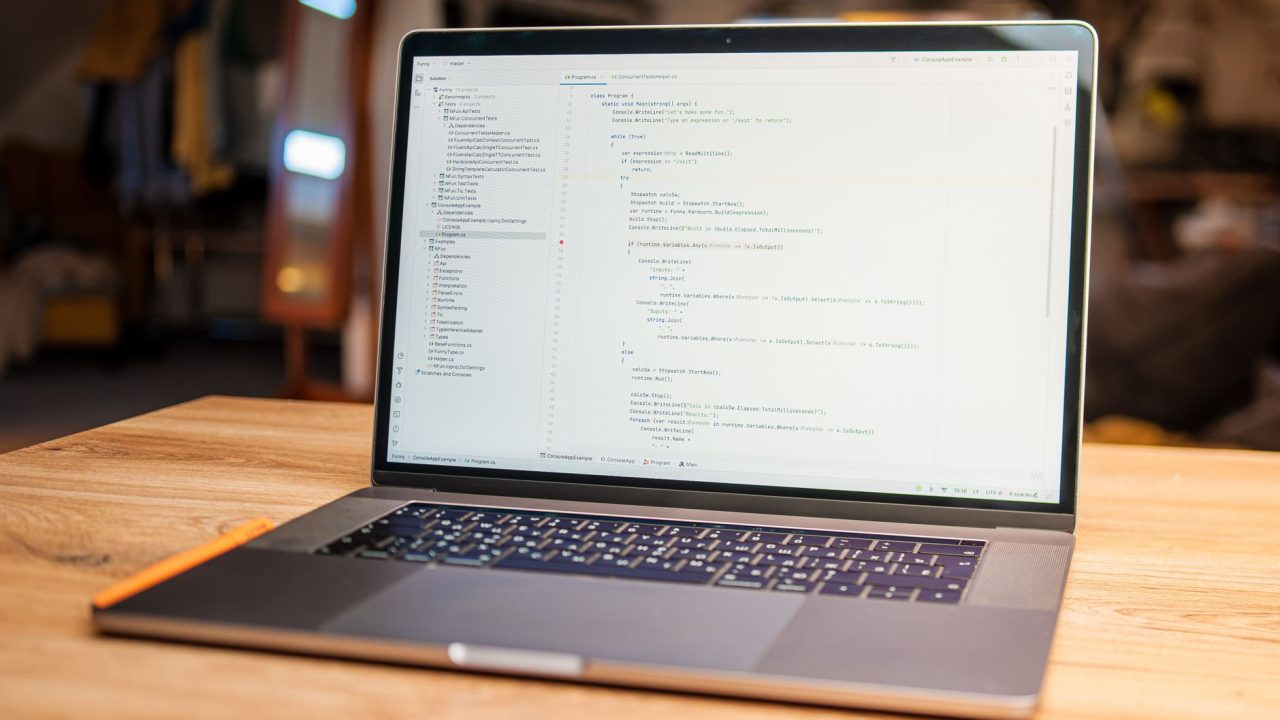
Last week, I spent 45 minutes setting up a Python development environment for a quick prototype. Not writing code—setting up. Virtual environment, dependencies, environment variables, choosing between Poetry and pip. By the time I actually opened my editor, I'd already lost momentum. I've done this dance maybe a hundred times, and it never feels worth it for something that should take an afternoon.
That feeling of friction—where the tooling required to start working becomes bigger than the work itself—is something I think most developers experience but rarely talk about. We accept it as the cost of doing business. But what if it didn't have to be that way?
The Problem That Looks Like a Feature
Here's what I've noticed in my own workflow over the past few years. Every tool that promises to "simplify" development adds a layer of abstraction. Sometimes that's helpful. Often it's just another thing to learn, configure, and eventually troubleshoot when it breaks.
The Python ecosystem is particularly guilty of this. I've used Django, Flask, FastAPI—all great frameworks. But the moment you want to build a desktop app, the tooling recommendations get heavy fast. PyQt, PySimpleGUI, wxPython—each comes with its own ecosystem, licensing questions, and setup requirements.
There's a hidden cost to this that nobody really quantifies: cognitive load before you write your first real line of code. You're not thinking about your problem anymore. You're thinking about environment setup.
The Radical Constraint Approach
What strikes me about the ILX Launcher approach is how brutally simple the constraint is: Python stdlib and tkinter only. Nothing else.
At first, this sounds limiting. In reality, it's liberating. When you can't reach for an external dependency, you're forced to think differently about what you actually need. Do you really need that fancy UI library, or will native tkinter widgets work? Do you need a complex build system, or can you use what's built in?
I've seen this pattern before in embedded systems development—constraints force clarity. And clarity ships products.
What This Means in Practice
For quick prototyping and internal tools, I'm genuinely convinced this matters. If I'm spinning up a dashboard or a dev utility, I don't want to inherit three layers of dependency trees. I want to clone something, run it, modify it.
The hot-reload feature is the real MVP here. Having your changes reflect immediately without restarting is table stakes for a good developer experience. The fact that this can be built without external dependencies—just using Python's built-in file watching—tells me we've been accepting bloat when simpler solutions exist.
But here's where I'd push back slightly: this approach works beautifully for certain categories of tools. A launcher, a dashboard, a dev cockpit—these are utility-class applications where performance headroom exists. If I'm building something that needs threading, async database connections, or complex state management, I might reach for more robust tools.
My Take
I appreciate the philosophy more than I might use the specific tool. What I'm really interested in is the thinking here. The idea that starting simple and adding only when necessary beats starting bloated.
In my work, I've seen projects delayed by tooling decisions that were made before the first feature existed. Webpack configurations debated at length. Docker setups designed for scale when we had five users. The constraint-driven approach flips this: prove you need the complexity before you add it.
Here's something I'd want to explore: could this philosophy extend beyond Python? What if we applied the same thinking to web tooling? How many modern frontend projects could ship with half their dependency tree?
The Question Worth Asking
The real question isn't "Is ILX Launcher better than [other tool]?" It's "Why did we collectively accept that dev tools had to be this complex in the first place?"
Next time you're about to add a dependency, ask yourself: could I do this with what I already have? Not always. But sometimes, the answer surprises you.
What dev tool have you wanted to throw in the trash because it was doing too much? I'd genuinely like to know.
Source: This post was inspired by "I was tired of heavyweight dev tools — so I built my own" by Dev.to. Read the original article