Figma's Identity Crisis: When a Platform Forgets Why Designers Actually Need It
Admin User
Author
I had this moment last week while sitting in a standup meeting. Our designer mentioned she was considering moving away from Figma for certain workflows, and a developer on the team asked—genuinely puzzled—"But where would you go?" Nobody had a good answer, which honestly made me realize something: Figma's dominance might look unshakeable from the outside, but the cracks are starting to show. The scary part isn't that better tools exist. It's that Figma seems to be betting on features most of us don't actually need.
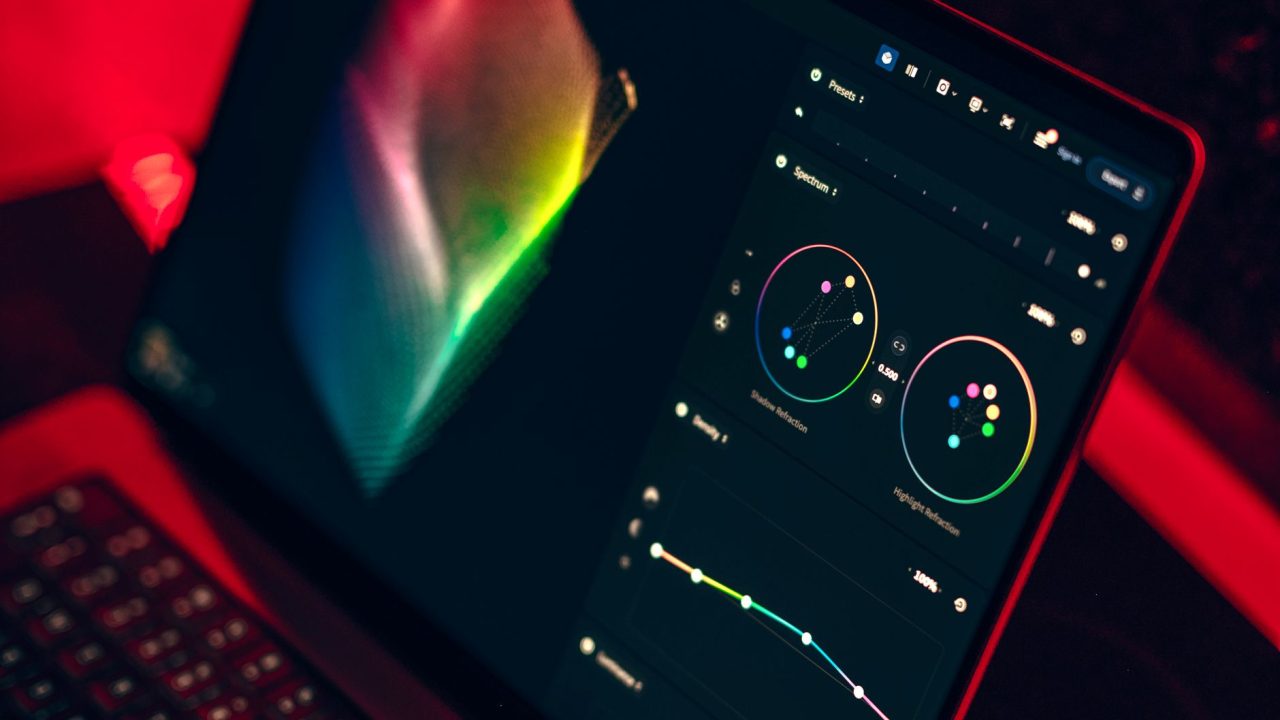
When I read about Figma Config 2026 focusing on Motion and Shaders, my first instinct was relief—cool features, right? Then I thought about my actual workflow. I work with designers every day. I see what they use Figma for. And it's not usually motion or shaders. It's collaboration, consistency, and handoff. Those unglamorous things that make a product team function.
The Problem Isn't the Features—It's the Strategy
Let me be clear: Figma Motion and Shaders aren't bad features. They're technically impressive. But here's the thing—not every designer needs them, and that's exactly the problem. When you're the market leader, you can't just build for the fraction of your user base doing advanced motion work. You need to strengthen what made you the default in the first place.
The original article touches on something important: these features are "disconnected from code." That's the real issue. Designers and developers spend way more time fighting about specs, measurements, and component definitions than they do creating complex animations. Yet Figma's strategy seems to assume the pain point is animation capability, not the collaboration breakdown between disciplines.
AI Changed the Conversation, But Not How We Think
Here's where I want to push back a bit on the framing. People are asking "does Figma still matter?" not because AI suddenly made design obsolete. They're asking because AI tools—Midjourney, ChatGPT for copy, Claude for interaction logic—are making it easier to skip parts of traditional design workflows entirely. A founder can now generate UI mockups without a designer. That's not Figma's fault. That's the world changing.
But Figma's response matters. Instead of doubling down on being the central nervous system for design-to-development handoffs, they're adding features for edge cases. When Webflow is eating into your turf by being closer to code, and when AI tools are removing the need for traditional comps altogether, you should be building bridges, not niches.
What This Means for Teams Actually Using Figma
My honest take: Figma isn't going anywhere tomorrow. The switching costs are too high. We have years of design systems, component libraries, and tribal knowledge baked into our Figma workspaces. But the question isn't whether Figma will survive—it's whether they'll remain the obvious choice for new projects.
If you're building a product team right now, Figma is still the safe default. But I'd be watching Penpot (it's actually open source now), Webflow's design capabilities, and even the increasingly competent design features in various AI tools. The gap is closing.
What worries me more is the architectural question. Modern product development doesn't care about fancy animation tools. It cares about single source of truth. It cares about keeping designers from sending 47 versions of a 2px spacing change via Slack. It cares about design tokens flowing directly into code. If Figma's roadmap moves away from that integration problem, they're essentially handing the future to whoever solves it better.
The Real Question
Here's what I keep thinking about: if I were starting a design tool company today, what would I build? I'd build something that understands the entire product development lifecycle. A tool that speaks to both designers and developers in their native languages. Figma became the default by being the best at design collaboration. They might be losing mindshare by forgetting that's their actual moat.
What's your experience? Are you noticing your design and dev teams using separate tools more than they did two years ago? I'm genuinely curious if this is just my echo chamber or a real trend.
Source: This post was inspired by "Is Figma Losing the AI Race?" by UX Planet. Read the original article